
I’ve worked for over ten years as a dispensary floor manager, the person who trains staff, handles returns, and fields the unfiltered feedback customers share after a product didn’t live up to expectations. That role changed how I evaluate a weed pen. I don’t judge it by packaging or potency claims anymore. I judge it by whether it keeps doing the same thing on day ten that it did on day one.
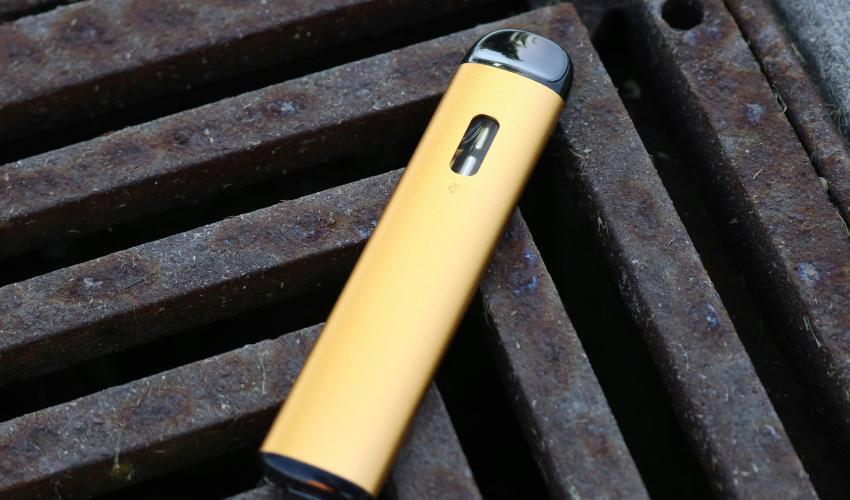
One of my earliest lessons came from a customer who swore all pens made them cough. He’d been through several brands and was ready to give up on vaping entirely. I asked him to show me how he used it. He took long, aggressive pulls on a pen designed for quick, low-temperature draws. We switched him to a device with smoother airflow and he adjusted his inhale. A week later, he came back smiling, surprised that the problem hadn’t been the oil or his tolerance at all. It was the mismatch between the pen and how he used it.
From experience, reliability matters more than novelty. I remember approving a flashy pen with heavy marketing buzz. It sold fast at first, but within a month we were dealing with clogged cartridges and inconsistent batteries. At the same time, a quieter brand with almost no branding kept selling steadily because it simply worked. Customers rarely returned it, and that told me everything I needed to know. A weed pen that disappears into your routine is better than one that constantly reminds you it’s there.
Oil behavior is another detail people overlook. I’ve handled countless cartridges, and thicker oils can be unforgiving. I once tested a pen that tasted great for the first few pulls and then became stubbornly clogged halfway through. The hardware just wasn’t built to keep up with the oil’s viscosity. Since then, I’ve leaned toward pens that handle a range of oils without needing constant warming or fiddling. That flexibility matters in real use.
Storage mistakes show up more often than people admit. During a slow afternoon, I inspected a handful of returned pens. Nearly all had been left in hot cars or pockets for hours. Heat changes how oil flows, and not every pen recovers well from that. Pens that tolerate temperature swings without leaking or clogging earn my trust quickly.
I’m also selective about disposables. They’re convenient, but I’ve watched too many fail before the oil was finished. Weak batteries are the usual culprit. Rechargeable pens with replaceable cartridges tend to last longer and behave more predictably. For anyone who uses a pen more than occasionally, that consistency pays off.
After years on the floor, my perspective is practical. A good weed pen should feel steady, forgiving, and familiar every time you pick it up. If it requires perfect technique or constant troubleshooting, it’s not designed for real people. The best pens are the ones customers stop thinking about because they simply do what they’re supposed to do, day after day.